Find a course
 Beginner
Advance ADHD Training
Advance ADHD Training is designed to equip individuals with effective strategies and tools to manage Attention Deficit Hyperactivity Disorder (ADHD) more effectively. This training focuses on understanding the unique challenges faced by those with ADHD, including difficulties with attention, impulse control, and organization. Participants will learn about the latest research on ADHD, including its neurological underpinnings and how it affects daily functioning. The program emphasizes practical techniques for improving focus, enhancing time management skills, and developing organizational strategies tailored to individual needs. Additionally, the training provides insights into behavioral interventions and coping mechanisms that can be implemented in various settings, such as home, school, and work. By fostering a supportive environment and encouraging self-advocacy, Advance ADHD Training aims to empower participants to thrive despite their challenges. Overall, this training serves as a comprehensive resource for individuals seeking to enhance their understanding of ADHD and improve their quality of life through targeted strategies and support.
 Beginner
Advance Dignity in Care
The Advanced Dignity in Care Online Course offers a thorough exploration of best practices in providing respectful and compassionate care. Tailored for healthcare professionals and caregivers, this program equips participants with essential skills and knowledge to enhance the dignity of those they serve.
 Beginner
Advance Medication Support
The Advanced Medication Support Certification Course is designed for healthcare professionals and individuals seeking to advance their...
 Beginner
Basic Life Support (BLS) Training
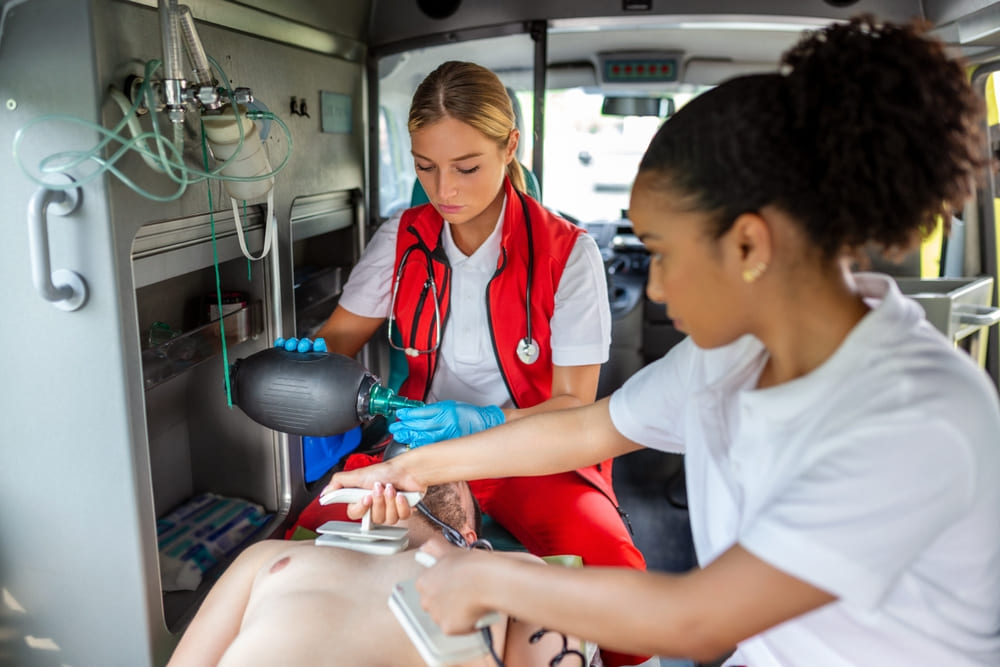
Basic Life Support (BLS) Training is a crucial program designed to equip individuals with the skills and knowledge necessary to respond effectively to cardiac emergencies. The training focuses on recognizing the signs of cardiac arrest, performing high-quality chest compressions, and using an Automated External Defibrillator (AED). Participants learn the essential steps of the BLS protocol, including: 1. Scene Safety: Ensuring the environment is safe for both the rescuer and the victim. 2. Assessment: Checking for responsiveness and breathing to determine if CPR is needed. 3. Calling for Help: Activating emergency services and getting assistance. 4. CPR Techniques: Learning the correct techniques for chest compressions and rescue breaths, emphasizing the importance of proper hand placement, compression depth, and rate. 5. AED Usage: Understanding how to operate an AED, including pad placement and following voice prompts. 6. Choking Relief: Recognizing and responding to choking emergencies in adults, children, and infants. BLS training is essential for healthcare providers, first responders, and anyone interested in being prepared to save a life. The course often includes hands-on practice and scenarios to reinforce learning, ensuring participants feel confident in their ability to act in an emergency. Upon completion, participants typically receive a certification that validates their skills and knowledge in Basic Life Support.
 Beginner
Bed Rail Use and Safety
This course is designed to provide caregivers, healthcare professionals, and facility managers with essential knowledge about the safe use...
 Beginner
Buccal Midazolam Training
Buccal Midazolam is a medication used for the emergency treatment of prolonged seizures (status epilepticus) in individuals with epilepsy.
 Beginner
Care Certificate - Interview Preparation
Are you interested in starting a rewarding career in the healthcare and social care sector?
 Beginner
Child Bereavement Training
Child bereavement training is designed to equip professionals with the knowledge and skills necessary to support children and families experiencing loss. This training typically covers the following key areas: 1. Understanding Grief in Children: Participants learn about the unique ways children process grief at different developmental stages, recognizing that their responses may vary significantly from adults. 2. Communication Skills: The training emphasizes effective communication strategies to help children express their feelings and thoughts about loss, fostering an environment where they feel safe to share. 3. Support Strategies: Attendees are introduced to various support techniques, including active listening, validation of feelings, and the importance of routine and stability during times of grief. 4. Cultural Sensitivity: The program often includes discussions on how cultural backgrounds can influence grieving processes and the importance of being respectful and aware of these differences. 5. Practical Tools: Participants receive practical resources and tools, such as activities and interventions that can be used to help children cope with their grief. 6. Self-Care for Professionals: The training also addresses the emotional toll that working with grieving children can take on professionals, highlighting the importance of self-care and seeking support. Overall, child bereavement training aims to empower professionals to provide compassionate and effective support to children navigating the complex emotions associated with loss.
 Beginner
Communication Skills in Health Social Care
Welcome to the "Communication Skills in Health Social Care" online course.
 Beginner
CPI, Ligature and Buccal Online Course
This course provides essential training on Crisis Prevention Intervention (CPI), ligature risk management, and buccal administration...
 Beginner
Deprivation of Liberty Safeguards (DoLS)
The Deprivation of Liberty Safeguards (DoLS) online course is designed to provide participants with a comprehensive understanding of the...
 Beginner
Epilepsy Awareness Training
Welcome to the Epilepsy Awareness Training course! This comprehensive online program is designed to equip individuals with the knowledge...