 Beginner
Bed Rail Use and Safety
This course is designed to provide caregivers, healthcare professionals, and facility managers with essential knowledge about the safe use...
A
Taught by Admin
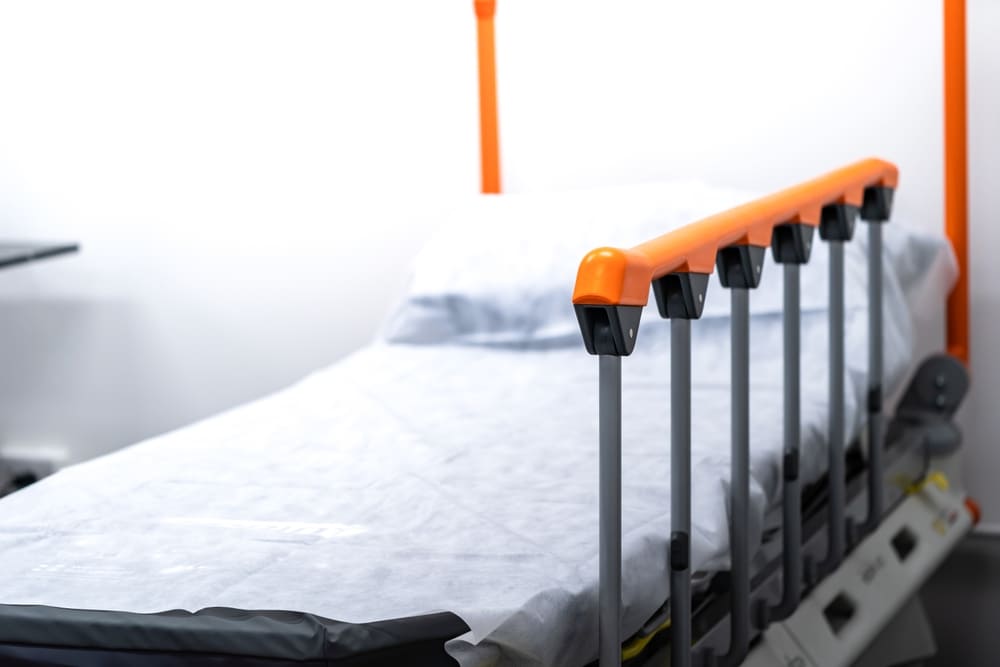
Bed rails are essential safety devices designed to prevent falls and provide support for individuals who may have difficulty getting in and out of bed. They are commonly used in hospitals, nursing homes, and at home for elderly individuals, those recovering from surgery, or anyone with mobility challenges.
Key Features of Bed Rails:
- Fall Prevention: Bed rails create a barrier that helps prevent accidental falls during the night, offering peace of mind for both users and caregivers.
- Support for Mobility: They provide a sturdy grip for individuals when getting in and out of bed, enhancing independence and confidence.
- Adjustable Designs: Many bed rails are adjustable in height and length, allowing them to fit various bed sizes and user needs.
- Easy Installation: Most bed rails can be easily attached and removed without the need for tools, making them convenient for temporary or permanent use.
Safety Guidelines for Bed Rail Use:
- Proper Installation: Ensure that the bed rail is securely attached to the bed frame and that it does not move or wobble.
- Regular Checks: Periodically inspect the bed rail for any signs of wear or damage, and ensure that all components are functioning correctly.
- User Assessment: Evaluate the individual’s mobility and cognitive abilities to determine if bed rails are appropriate for their needs.
- Clear Surroundings: Keep the area around the bed free of clutter to prevent tripping hazards and ensure easy access.
- Educate Users: Inform users about how to safely use the bed rail, including how to grip it properly and when to seek assistance.
- Consult Professionals: If unsure about the suitability of bed rails for a specific individual, consult healthcare professionals for personalized advice.
By following these guidelines, bed rails can significantly enhance safety and comfort for those who need additional support while sleeping or resting.
What you will learn
Introduction and Overview 2 lessons
- Introduction to Bed Rails
- Overview of adverse events reported in bed rail usage
Purpose Of Bed Rails 1 lessons
- Purpose of bed rails
Key Concepts and Principles 1 lessons
- Types of bed rails
Benefits Of Bed Rails In Caregiving Settings 1 lessons
- Benefits of bed rails in caregiving settings
Common Risks Entrapment Falls And Suffocation 1 lessons
- Common risks: Entrapment, falls, and suffocation
Risk Identification and Assessment 2 lessons
- Identifying at-risk patients
- Patient assessment before using bed rails
Selecting The Right Bed Rail 1 lessons
- Selecting the Right Bed Rail
Proper Installation And Adjustment 1 lessons
- Proper Installation and Adjustment
Procedures and Practical Guidance 3 lessons
- Step-by-step guide to bed rail installation
- How to identify worn or faulty equipment
- How to engage patients and families in the decision-making process
Proper Positioning Of Bed Rails For Safety 1 lessons
- Proper positioning of bed rails for safety and comfort
Bed Rail Use And Safety 1 lessons
- Bed Rail Use and Safety
Regular Monitoring Of Bed Rail Use 1 lessons
- Regular monitoring of bed rail use
Prevention and Control Measures 1 lessons
- Alternative safety measures
Maintenance And Cleaning 1 lessons
- Maintenance and Cleaning