Find a course
 Beginner
18th Edition Amendment No.2 Full E-learning course
Stay up-to-date with the latest changes in electrical regulations with our comprehensive 18th Edition Amendment No.2 Full E-learning Course.
 Beginner
Accident and Incident Investigation
The Accident and Incident Investigation course is designed to provide participants with the knowledge and skills necessary to effectively...
 Beginner
Ammonia Safety Awareness
Welcome to the "Ammonia Safety Awareness" online course, designed to provide you with comprehensive knowledge and skills in handling and...
 Beginner
Ammonia Safety Awareness (Updated)
Welcome to the "Ammonia Safety Awareness" online course, designed to provide you with comprehensive knowledge and skills in handling and...
 Beginner
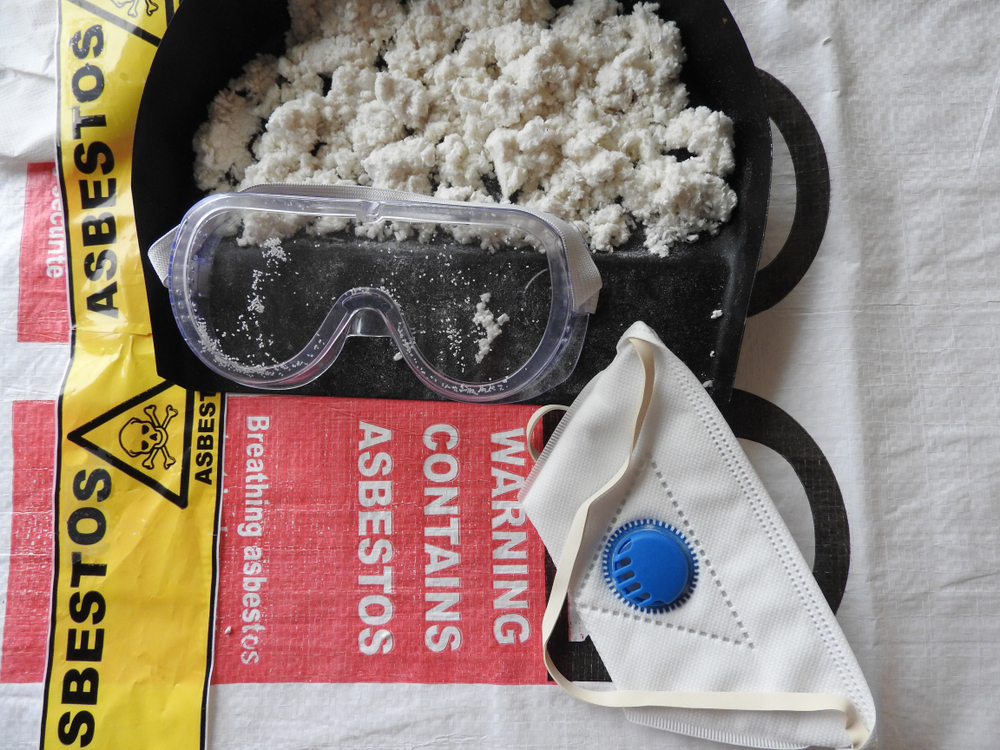
Asbestos Awareness Course
Welcome to the Asbestos Awareness Course (Category A)! This comprehensive online course is designed to provide you with a thorough...
 Beginner
Basic Health and Safety Training
Basic Health and Safety Training is essential for ensuring a safe and healthy work environment. This training covers fundamental principles and practices that help prevent workplace accidents and injuries. Participants learn about hazard identification, risk assessment, and the importance of following safety protocols. Key topics include: 1. Understanding Workplace Hazards: Recognizing physical, chemical, biological, and ergonomic hazards that may be present in the workplace. 2. Emergency Procedures: Learning how to respond to emergencies, including evacuation plans, first aid, and reporting incidents. 3. Personal Protective Equipment (PPE): Understanding the types of PPE available, how to use them properly, and their importance in minimizing risks. 4. Health and Safety Regulations: Familiarizing participants with relevant laws and regulations that govern workplace safety. 5. Promoting a Safety Culture: Encouraging proactive safety behaviors and communication among employees to foster a culture of safety. By completing Basic Health and Safety Training, employees are better equipped to protect themselves and their colleagues, ultimately contributing to a safer workplace.
 Beginner
COMAH (Control of Major Accident Hazards) Training
COMAH (Control of Major Accident Hazards) Training is essential for ensuring safety in industries that handle hazardous substances. This training focuses on the identification, assessment, and management of risks associated with major accidents. Participants will learn about the legal framework surrounding COMAH, including the responsibilities of operators and the importance of safety management systems. The training covers key topics such as: 1. Understanding Major Hazards: Identifying substances that pose significant risks and understanding their potential impacts. 2. Risk Assessment: Techniques for evaluating risks and implementing control measures to mitigate them. 3. Emergency Planning: Developing effective emergency response plans and understanding the roles of various stakeholders during an incident. 4. Safety Management Systems: The importance of a robust safety culture and continuous improvement in safety practices. 5. Regulatory Compliance: Familiarization with relevant legislation and guidelines to ensure compliance and promote safety. By the end of the training, participants will be equipped with the knowledge and skills necessary to contribute to a safer working environment and effectively respond to potential major accidents.
 Beginner
Corporate Manslaughter Training
Corporate Manslaughter Training is designed to educate employees and management about the legal implications and responsibilities surrounding workplace safety and corporate accountability. The training covers key concepts such as the definition of corporate manslaughter, relevant laws and regulations, and the consequences of negligence in maintaining a safe working environment. Participants will learn about the importance of risk assessments, safety protocols, and the role of leadership in fostering a culture of safety. The training also emphasizes the need for proper documentation and reporting procedures to mitigate risks and ensure compliance with legal standards. By the end of the training, attendees will have a clearer understanding of their responsibilities, the potential legal ramifications of corporate manslaughter, and strategies to prevent incidents that could lead to criminal charges against the organization. This training is essential for promoting a safe workplace and protecting both employees and the company from legal repercussions.
 Beginner
COSHH (Control of Substances Hazardous to Health) Training
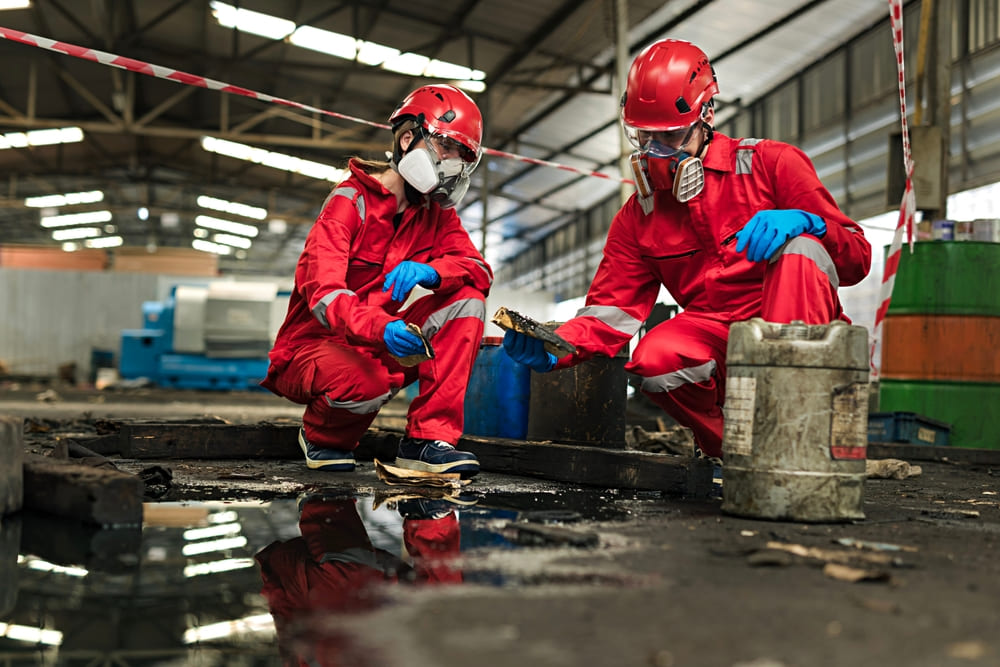
COSHH (Control of Substances Hazardous to Health) training is essential for ensuring workplace safety when handling hazardous substances. This training provides employees with the knowledge and skills to identify, assess, and manage risks associated with hazardous materials. Key components of COSHH training include: 1. Understanding Hazardous Substances: Participants learn about different types of hazardous substances, including chemicals, biological agents, and dust, and their potential health effects. 2. Risk Assessment: Training covers how to conduct risk assessments to evaluate the potential hazards in the workplace and implement appropriate control measures. 3. Control Measures: Employees are educated on various control measures, such as personal protective equipment (PPE), ventilation systems, and safe handling procedures to minimize exposure. 4. Emergency Procedures: The training includes guidance on what to do in case of an emergency, such as spills or exposure incidents, ensuring employees know how to respond effectively. 5. Legal Responsibilities: Participants are informed about their legal obligations under COSHH regulations, emphasizing the importance of compliance to protect themselves and their colleagues. 6. Record Keeping: The importance of maintaining accurate records of hazardous substances, risk assessments, and training is highlighted to ensure ongoing safety and compliance. By completing COSHH training, employees contribute to a safer working environment, reducing the risk of health issues related to hazardous substances.
 Beginner
COSHH Training for Cleaners
COSHH Training for Cleaners is essential for ensuring a safe working environment when handling hazardous substances. This training covers the Control of Substances Hazardous to Health (COSHH) regulations, emphasizing the importance of risk assessment, safe handling, and proper storage of cleaning chemicals. Participants will learn to identify hazardous substances, understand safety data sheets, and implement control measures to minimize exposure. The training also includes practical guidance on using personal protective equipment (PPE) and emergency procedures in case of spills or accidents. By completing COSHH training, cleaners will be equipped with the knowledge and skills to protect themselves and others, ensuring compliance with health and safety regulations while maintaining a clean and safe environment.
 Beginner
Customer Violence in the Retail Environment
Customer Violence in the Retail Environment is a comprehensive online course designed to equip retail professionals with the knowledge,...
 Beginner
Display Screen Equipment (DSE) Assessor Training
Display Screen Equipment (DSE) Assessor Training is designed to equip participants with the knowledge and skills necessary to evaluate and manage the risks associated with the use of display screen equipment in the workplace. This training covers essential topics such as: 1. Understanding DSE Regulations: Participants will learn about the legal requirements and guidelines surrounding DSE use, ensuring compliance with health and safety standards. 2. Risk Assessment Techniques: The training provides practical methods for assessing workstation setups, identifying potential hazards, and evaluating the ergonomic risks associated with DSE. 3. Ergonomics Principles: Attendees will gain insights into ergonomic best practices, including proper posture, equipment adjustments, and the importance of breaks to reduce strain and fatigue. 4. Creating Action Plans: Participants will learn how to develop effective action plans to address identified risks, promoting a safer and more comfortable working environment. 5. Communication Skills: The training emphasizes the importance of effective communication with employees regarding DSE assessments and recommendations for improvements. By the end of the course, participants will be equipped to conduct thorough DSE assessments, contribute to a healthier workplace, and enhance employee well-being.