 Beginner
Working in Confined Spaces
The Working in Confined Spaces online course is designed to provide participants with comprehensive knowledge and skills for safely working...
A
Taught by Admin
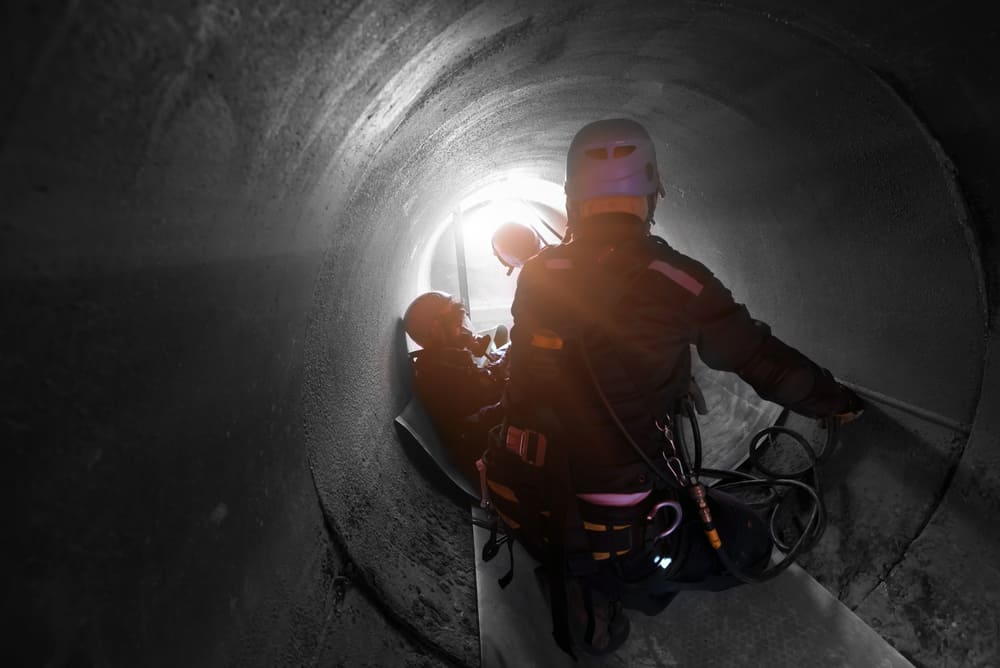
Working in confined spaces presents unique challenges and risks that require careful planning and execution. These environments, often characterized by limited entry and exit points, restricted airflow, and potential hazards, demand a thorough understanding of safety protocols and procedures.
Key Considerations:
- Risk Assessment: Before entering a confined space, conduct a comprehensive risk assessment to identify potential hazards such as toxic gases, low oxygen levels, or physical obstructions.
- Training and Certification: Ensure that all personnel involved are properly trained and certified in confined space entry procedures, including the use of personal protective equipment (PPE) and emergency response protocols.
- Ventilation: Adequate ventilation is crucial to maintain safe air quality. Use fans or blowers to ensure a continuous supply of fresh air and to disperse any harmful gases.
- Monitoring Equipment: Utilize gas detection devices to continuously monitor air quality within the confined space. This helps in identifying any dangerous conditions before they become critical.
- Communication: Establish clear communication protocols among team members. Use radios or other communication devices to maintain contact, especially when working in areas where visibility is limited.
- Emergency Preparedness: Have a rescue plan in place, including trained personnel ready to respond in case of an emergency. Ensure that rescue equipment is easily accessible and that all team members are familiar with the plan.
- Personal Protective Equipment (PPE): Equip workers with appropriate PPE, including helmets, gloves, respirators, and harnesses, to protect against specific hazards present in the confined space.
By adhering to these guidelines, organizations can enhance safety and efficiency when working in confined spaces, ultimately reducing the risk of accidents and ensuring the well-being of all personnel involved.
What you will learn
Key Concepts and Principles 7 lessons
- Definition and characteristics of confined spaces
- Understanding the hazards and risks associated with confined spaces
- Identifying different types of confined spaces
- Understanding atmospheric hazards, physical hazards
- Understanding the importance of communication and coordination
- Understanding gas detection equipment and interpretation of readings
- Understanding confined space rescue procedures and the role of rescue teams
Legislation, Standards and Requirements 2 lessons
- Legal requirements and regulations related to working in confined spaces
- Ventilation techniques and requirements for maintaining safe air quality
Risk Identification and Assessment 1 lessons
- Conducting risk assessments to identify potential hazards and risks
Introduction and Overview 1 lessons
- Overview of permit-to-work systems for confined spaces
Procedures and Practical Guidance 4 lessons
- Roles and responsibilities of personnel involved in the permit-to-work process
- Safe entry and exit procedures for confined spaces
- Emergency evacuation procedures and rescue plans
- Lockout/tagout procedures for energy sources
Proper Use Of Personal Protective Equipment Ppe 1 lessons
- Proper use of personal protective equipment (PPE)
Importance Of Atmospheric Monitoring In Confined Spaces 1 lessons
- Importance of atmospheric monitoring in confined spaces
Prevention and Control Measures 1 lessons
- Implementing control measures to eliminate or minimize confined space hazards
Proper Use Of Equipment And Tools In 1 lessons
- Proper use of equipment and tools in confined spaces
Incident and Emergency Response 2 lessons
- Developing emergency response plans specific to confined spaces
- Recognizing the signs of emergencies and appropriate response actions